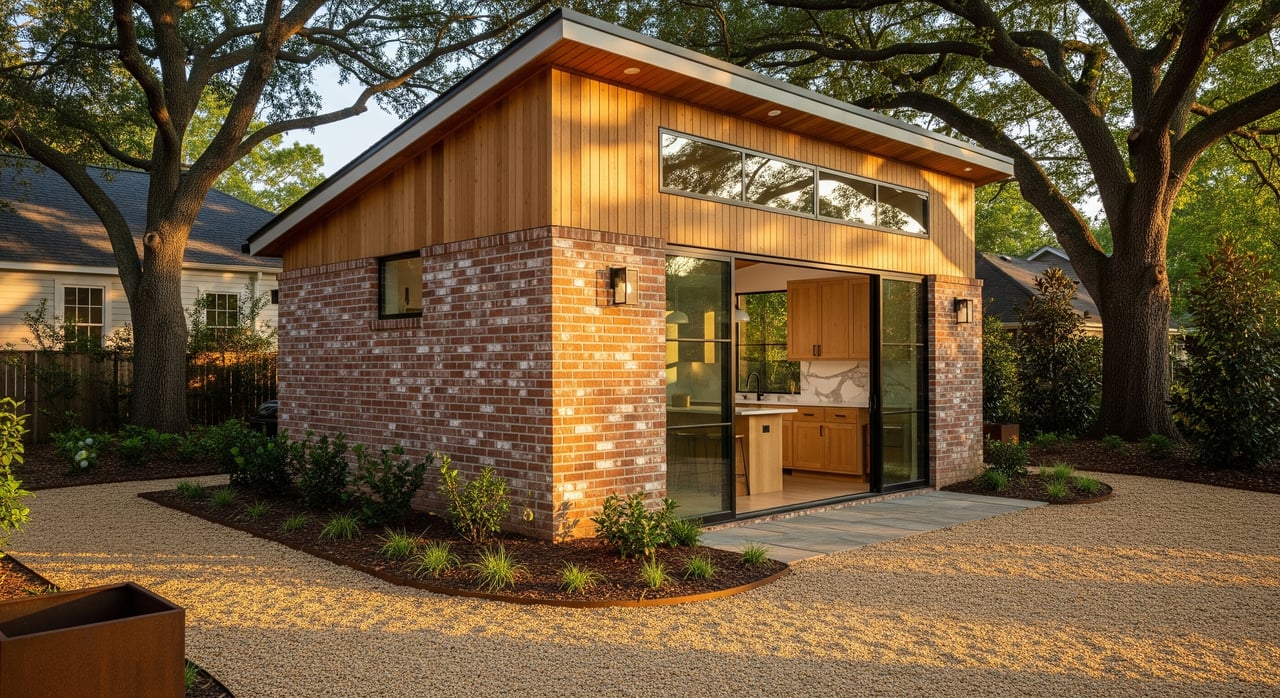
Thinking about adding an accessory dwelling unit to your Durham property? Whether you want space for multigenerational living or a steady rental, an ADU can be a smart, flexible way to grow both utility and long-term value. The key is understanding Durham’s rules, realistic budgets, and the path from idea to approved plans. In this guide, you’ll learn what to verify, how permitting works, cost ranges to plan for, and how to assess rental potential. Let’s dive in.
What counts as an ADU in Durham
An accessory dwelling unit is a smaller, independent residence on the same lot as a primary home. In Durham, ADUs can be internal (within the main house), attached (added to the main structure), or detached (a separate building). Each type can trigger different requirements, so plan with your lot and goals in mind.
Durham updates local rules periodically. Before you design, confirm current standards in the Unified Development Ordinance and with City of Durham Development Services. Rules can vary by zoning district, lot size, overlays, and utilities.
Durham rules to confirm first
Before you sketch layouts or call a builder, verify these items for your specific parcel:
Zoning and where ADUs are allowed
- Is an ADU allowed by-right or with conditions in your zoning district?
- Are internal, attached, and detached ADUs treated differently?
- Do overlays or special districts change what you can build?
Size, height, and setbacks
- Maximum ADU size may be defined as a square footage cap or a percentage of the main dwelling.
- Height limits and number of stories can vary for detached units.
- Check side and rear yard setbacks, lot coverage, and impervious surface limits.
Parking and site access
- Confirm if on-site parking is required, and whether on-street parking can count.
- If you need a new driveway or curb cut, check approval steps.
Utilities and metering
- Know how water, sewer, and stormwater connections work for your lot.
- Verify whether separate utility meters are allowed or required.
Owner occupancy and rentals
- Some jurisdictions require the owner to live on the property. Confirm Durham’s current stance.
- If you are considering short-term rentals, verify registration, licensing, and lodging tax rules.
Historic districts and environmental overlays
- If your home is in a historic district, design and placement may require additional review.
- Floodplain or environmental overlays can restrict siting and add engineering requirements.
How to verify quickly
- Pull your zoning and any overlays from the City of Durham Planning/Development Services team or map tools.
- Read the ADU section of the UDO that applies to your parcel.
- Request a pre-application conversation with a Durham planner for written guidance.
Permitting steps and typical timeline
Durham’s process is straightforward when you prepare well. Expect the following stages:
Feasibility and pre-application
- Research zoning, utilities, and any HOA or historic restrictions.
- Book a pre-application meeting with Development Services to flag key issues early.
- Order a current site survey if you do not have one; it should show lot lines, easements, and existing structures.
Typical timeframe: 1 to 4 weeks.
Design and construction documents
- Hire a designer or architect to produce a site plan, floor plans, elevations, structural details, and energy code documentation.
- Prepare a stormwater and erosion control approach, even for small projects.
- Gather contractor licenses and insurance details for permit submittals.
Typical timeframe: 2 to 10+ weeks depending on complexity.
Permits and reviews
- Submit for planning/zoning clearance, building permits, and utility connection permits.
- Secure historic district approvals if applicable.
- Respond to plan review comments and revise drawings as needed.
Typical timeframe: a few weeks to several months, depending on completeness and whether special approvals are required.
Construction and inspections
- Expect inspections at framing, mechanical/electrical/plumbing rough-ins, insulation, and final.
- After passing final inspections, obtain a Certificate of Occupancy.
Typical build timeframe: 2 to 6 months for a small detached ADU, longer for complex sites or conversions.
Fees to budget
- Plan review and building permit fees.
- Utility connection and potential impact or stormwater fees.
- Confirm current schedules with the City of Durham.
What it costs to build an ADU
Every site is different, but planning-level ranges help you assess feasibility before you request bids.
Budget components to include
- Hard costs: site work, foundation, framing, roofing, windows/doors, insulation, interior finishes, mechanical/electrical/plumbing.
- Soft costs: design and engineering, permits, utility fees, inspections, financing costs.
- Site-specific costs: tree protection, grading or retaining walls, utility extensions, stormwater measures, septic modifications if not on municipal sewer.
- Furnishings and appliances if you plan to rent furnished.
Planning-level cost ranges
- Basic finish: about $150 to $250 per sq ft.
- Mid-range finish: about $250 to $350 per sq ft.
- High-end or custom: about $350 to $500+ per sq ft.
For context, a 600 sq ft detached ADU can range from roughly $90,000 at a very basic level to $300,000+ with higher-end finishes or challenging site conditions. Add soft costs in the range of 10 to 30 percent of hard costs, plus a contingency of 10 to 20 percent for surprises.
What drives costs up in Durham
- Steep or constrained lots that need retaining walls or complex drainage.
- Long utility runs or service upgrades to the main house.
- Historic district design standards and review.
- Two-story structures, basements, or heavy structural changes.
- Premium finishes and custom cabinetry.
Financing options to explore
Match your financing to your timeline and budget certainty.
- Cash funding if available.
- Home equity line of credit or home equity loan.
- Cash-out or rate-and-term refinance.
- Construction-to-permanent loan that converts to a mortgage at completion.
- Renovation loans such as FHA 203(k) or certain Fannie/Freddie programs, if eligible.
- Grants or incentives may appear through city or state programs; availability changes over time.
Tips: Seek pre-approval early, especially for construction financing. Lenders often require detailed budgets, plans, and contractor credentials. Ask the Durham County Tax Assessor how an ADU could affect assessed value and future taxes. When you model returns, include insurance, utilities, maintenance, and management costs.
Rental potential in Durham
Durham’s rental demand benefits from major employment centers, universities, and hospitals. That said, rental performance depends on location, unit size, finishes, and whether you pursue long-term or short-term rental use.
Regulations for long-term and short-term rentals
- Long-term rentals follow North Carolina landlord-tenant law. Check for any local registration requirements.
- Short-term rentals may require registration, licensing, occupancy limits, and lodging tax collection. Confirm current rules for ADUs specifically before you model STR income.
- Ensure life-safety compliance: egress, smoke and carbon monoxide detectors, and other code requirements.
- Discuss proper insurance coverage for rentals with your carrier.
How to estimate rental income
- Pull local rent comps for studios and 1-bedrooms near your property using rental listing platforms and local MLS data.
- Adjust for furnishings, parking, private outdoor space, and in-unit laundry.
- Model vacancy and operating costs: 5 to 10 percent vacancy for long-term rentals is a common planning assumption. Include property management, maintenance, insurance, and utilities if owner-paid.
A simple return example
Suppose a 600 sq ft ADU rents for $1,300 per month.
- Gross annual rent: $15,600.
- Less 8 percent vacancy: $1,248.
- Net after vacancy: $14,352.
- Less operating expenses (example $4,000/year): Net operating income about $10,352.
Compare that NOI to your total project cost to calculate a simple cash-on-cash return. You can also estimate a cap rate by dividing NOI by property value if you are assessing investment performance in context.
Who rents ADUs in Durham
ADUs can appeal to a wide range of renters, including individuals who value privacy and proximity to employment or schools, as well as people seeking a right-sized home in a central location. Your marketing and lease structure should match your ideal tenant profile and neighborhood norms.
Design and lot-fit tips for Durham
Thoughtful design improves livability and long-term value. Consider these practical moves:
Site planning and privacy
- Position windows, doors, and patios to create privacy between the main home and the ADU.
- Use landscaping and fencing to define spaces without feeling closed in.
- Plan safe pedestrian paths with good lighting.
Utilities and stormwater
- Confirm sewer and water capacity early; if you are on septic or well, expect additional review.
- Map electrical service locations and decide whether separate metering makes sense.
- Manage drainage with permeable paving and rain gardens where appropriate.
Compact layouts that live large
- Keep kitchens efficient with smart storage and full-size appliances where space allows.
- Place laundry near bedrooms or kitchens to save square footage.
- Maximize natural light while maintaining privacy, especially on small lots.
Durable, low-maintenance finishes
- Choose scratch-resistant flooring, easy-clean surfaces, and quality fixtures.
- If renting, plan for turnover: paint schedules, hardware durability, and fixture standardization simplify maintenance.
Construction method choices
- Detached new-build, garage conversion, or interior conversion each has tradeoffs.
- Modular or prefab options may reduce build time, but you still need site prep and crane access.
Your first five steps in Durham
Ready to test feasibility? Use this checklist:
- Pull your parcel’s zoning and overlay information; note any historic or floodplain areas.
- Schedule a pre-application discussion with City of Durham Development Services and request written guidance on ADU standards for your lot.
- Order a current site survey showing boundaries, structures, and easements.
- Interview at least two architects and two contractors for early cost and timeline input.
- Run a rent-comp review for similar nearby units and speak with a lender experienced in construction or renovation loans.
How we can help
If an ADU is part of your living or investment strategy, you deserve clear, research-based guidance. Our team brings a measured, design-forward approach to help you evaluate feasibility and long-term value. We can:
- Provide neighborhood-level rent comps and resale guidance grounded in local data.
- Connect you with vetted designers, contractors, and lenders experienced with ADUs.
- Advise on sequencing if you plan to build an ADU before selling, including pre-sale preparation and high-impact updates.
- Craft a rental or resale strategy that aligns with your goals and timeline.
Ready to explore your options? Reach out to Shenandoah Nieuwsma to schedule your free 15-minute brainstorming session.
FAQs
What are the first rules to check for a Durham ADU?
- Confirm your zoning district, whether ADUs are allowed by-right, size and height limits, setbacks, parking, utility connection rules, and any historic or floodplain overlays.
How long does it take to permit and build an ADU in Durham?
- Plan 1 to 4 weeks for feasibility, 2 to 10+ weeks for design, several weeks to months for permit review, and 2 to 6 months for construction depending on scope.
How much does a typical ADU cost in Durham?
- Planning-level ranges run about $150 to $500+ per sq ft depending on finishes and site conditions, plus 10 to 30 percent soft costs and a 10 to 20 percent contingency.
Can I use a Durham ADU for short-term rentals?
- It depends on current city rules; confirm registration, licensing, occupancy limits, and lodging tax requirements for ADUs before modeling short-term rental income.
What financing options are common for ADUs in Durham?
- Consider a HELOC, home equity loan, cash-out refi, construction-to-permanent loan, or renovation loan programs; availability and eligibility vary by lender and program.
